

Why did cats come to be worshipped as gods?
 Cats were not originally native to Japan, but were imported from China and settled there. Japan, where agriculture and sericulture were thriving, was plagued by rats destroying grains and silkworms. The imported cats were highly valued for their ability to drive away pests. However, it seems they couldn't bring in many cats. For a while, they were kept on leashes, like dogs today. In times when cats were not as common as they are today, cats were used on talismans to protect people from rats, and they were worshipped as gods to pray for the difficult task of sericulture. In some regions, cats are worshipped as cat gods, based on their behavior and characteristics, or as cats that protect the local produce. In other places, they are worshipped as yokai (spirits) such as nekomata (cat demons).
Nekogami Shrine


Cat Ema
Source: WaShimo
There's an anecdote that the 17th Shimazu lord, Yoshihiro Shimazu, took seven cats to the Korean Peninsula to accurately measure time during the Bunroku-Keicho War. Since the dilation of a cat's pupils changes depending on the amount of light, he apparently predicted the time by measuring the dilation of their pupils. Five of the seven cats he took with him died, but the two he brought back to Japan were enshrined at Nekogami Shrine as gods of time. A regular festival is held on June 10th, during which prayers for the cat's longevity and memorial services are held. Many people visit the shrine and write their wishes for their beloved cats, such as longevity and health, on cat-shaped votive plaques. Nearby, there's also a souvenir shop called Nekoya that sells cat goods.9700-1 Yoshinocho, Kagoshima City
Access: 10 to 15 minutes by car from JR Kagoshima Chuo StationHakkaisanson Shrine
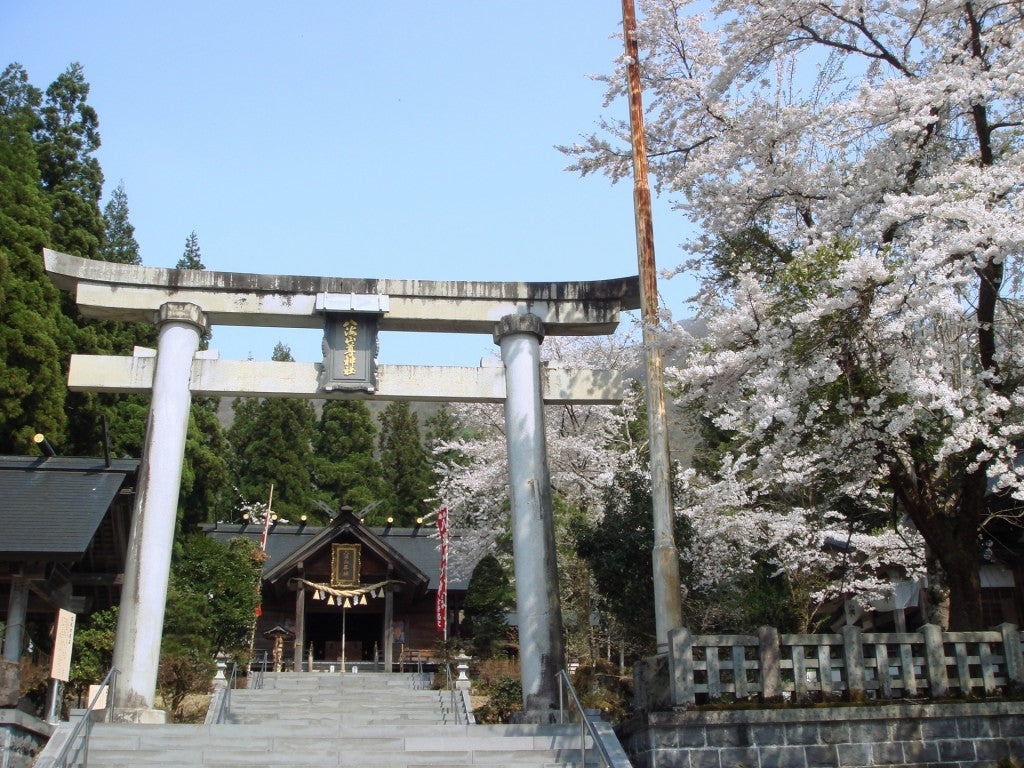 Hakkaisan Sonjin Shrine is a shrine where you can receive a talisman with a picture of a cat at any time. Cat talismans were revered by people in the past to ward off mice, but as times changed, they fell out of use. However, in recent years, cats have established themselves as pets, and now cat lovers from all over Japan come to this shrine in search of a talisman to ward off mice. There are other shrines where you can get a talisman to ward off mice, but most of them only give them out once a year at the annual festival (in May). Many of the designs feature black spotted cats or black cats, which gives them a different look, so some people collect the talismans.
3746 Osaki, Minamiuonuma City, Niigata Prefecture
Access: 7km from Urasa Station, 20 minutes on foot from the Ryukokuji-mae bus stop on the Muikamachi-Urasa Station bus line, 6km from Yamato Smart Interchange, 10 minutes by carTashirojima's "Cat Shrine"
 Tashirojima's Cat Shrine is perhaps the most famous cat-related shrine in Japan. Located in Miyagi Prefecture, it is a small island surrounded by sea. A legend handed down on Tashirojima tells of a local fishing industry where fishermen would predict the day's weather and catch by observing cat behavior. One day, while chipping away at rocks to anchor fishing nets, a cat was struck and killed by the rock. Feeling sorry for the cat, the head fisherman named it Nengoro and buried it there, which is said to be the site of the current Cat Shrine. Whether fishing was good or bad, as in other areas, cats were kept to keep mice away from silkworms. It's said that the large amount of fish involved naturally attracted many cats. Thanks to this legend, over 100 cats live on Tashirojima. The shrine and fishing boats were damaged in the 2011 Great Tohoku Earthquake, and cat lovers from across the country donated a large amount of money. It has also attracted a lot of attention from overseas, and is a popular tourist destination.
Nitota, Tashirohama, Ishinomaki City, Miyagi Prefecture
Access to the ferry terminal: Take a 10-minute bus from JR Ishinomaki Station and get off at the Ajishima Line. Take a 5-minute taxi ride from JR Ishinomaki Station. Approximately 20 minutes from Ishinomaki Port IC or Ishinomaki Kawanami IC on the Sanriku Expressway. From the ferry terminal, take the Tashirojima ferry terminal and disembark at Nitoda Port, approximately 40 minutes by ferry. Approximately 20 minutes on foot from Nitoda Port. *A high-speed ferry called SeeCat will be operating from March 2019. Ishinomaki Central Terminal will be opened, a 15-minute walk from JR Ishinomaki Station, from where you can board the SeeCat.summary
Cats have been familiar creatures to the Japanese people since ancient times. Cats appear in the story of how the zodiac was created, and they also appear among the various monsters. Many people probably know the legend that when a cat washes its face, it will rain. There are many shrines that worship cats as gods in the Tohoku region, where sericulture was once a thriving industry. It might be fun to go on a tour of cat shrines.Cat goods and accessories
Neko Masshigura sells cute cat goods and accessories! Be sure to check it out!
