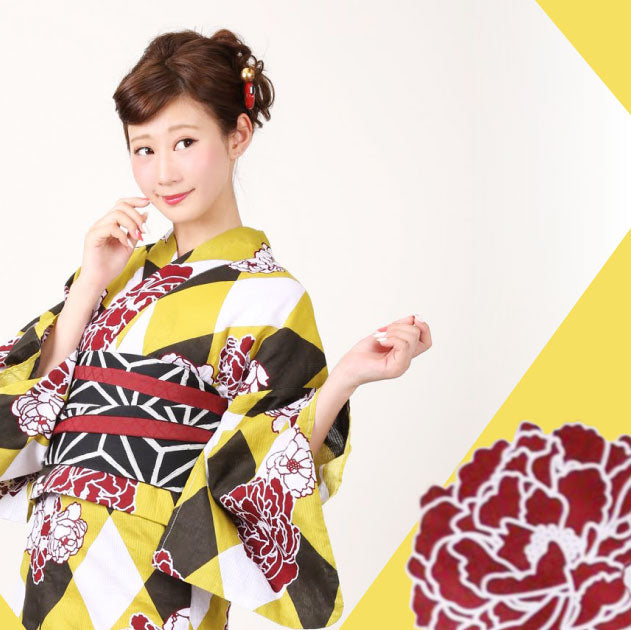
What are Japanese patterns?

Generally, Japanese patterns refer to patterns. Patterns made from these patterns and arranged in a disciplined manner are called Japanese patterns. Designs have been made since the mid-Heian period, and some patterns are still used today as they were back then.
Furthermore, patterns have various meanings, so when choosing a Japanese pattern, it can be fun to research the meaning of your favorite pattern.
The history of Japanese patterns
The origins of the designs that are now called Japanese patterns are mainly from the Heian period onwards.
During the early Heian, Nara, and Asuka periods, Japan sent envoys to the Tang and Sui dynasties, and its fashion and design were also influenced by these dynasties.
As a result, most of the items were not uniquely Japanese in design.
The designs at that time were similar to those seen in Korean historical dramas today.
Of course, Korea at that time was also influenced by the Tang and Sui dynasties.
Around the Heian period, designs that were unique to Japan and an adaptation of Tang Dynasty culture became popular, especially among the aristocracy.
This was the time when Murasaki Shikibu lived, when The Tale of Genji was born, when hiragana was born, and when designs began to evolve into something uniquely Japanese.
Many of today's Japanese patterns have natural motifs while still inheriting historical designs.
Since ancient times, Japanese people have been attracted to the beauty of nature and have designed it into kimonos and other items.
The flowing water pattern gives a feeling of coolness and is suitable for events such as summer festivals.
Pine trees have a long lifespan and are therefore considered a symbol of longevity.
Butterflies have been used as motifs to represent change, as they transform from a chrysalis into a beautiful adult butterfly.
Cherry blossom patterns are a representative flower of Japan and are used in all seasons and situations.
Other popular articles you might want to read:
-
How to tie your obi to stand out from the crowd! & Easy tips for tying it!
-
Popular retro-modern patterns stand out with the color of your yukata!
-
Stays put and is easy to walk in♪ A little trick for yukata
-
How to choose and coordinate a yukata that won't fail you!
-
Yukata twin outfit special feature at wargo